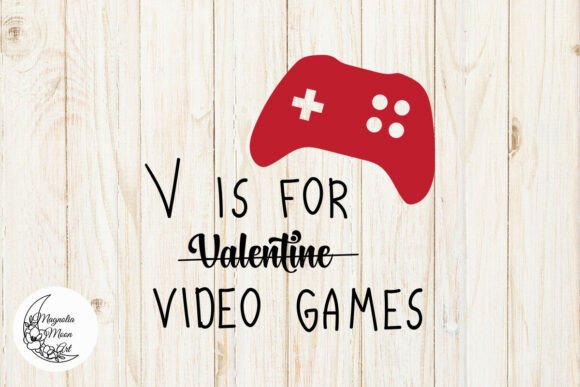
V is for Video Games SVG: Graphics and Crafts Review
As a brand designer who has spent years refining visual identities for local businesses, I approach every new asset with a mix of skepticism and curiosity. When I first pulled up V is for Video Games SVG, my immediate reaction was one of playful recognition. It isn’t just another generic clipart file; it carries a distinct mood that speaks directly to modern, youth-oriented, or niche creative markets. This design asset immediately suggests a personality that is bold, nostalgic, and undeniably fun. For small business owners looking to inject some energy into their brand identity, this piece offers a compelling starting point.
The primary appeal of this graphic lies in its versatility within the Crafts and Graphics sectors. While the title hints at a specific theme—video games—the execution often lends itself to broader applications in lifestyle branding. Whether you are running a boutique store that sells retro gaming merchandise, a coffee shop aiming to attract a younger demographic, or a handmade soap business targeting teens, the visual weight of this asset can anchor your marketing materials. It feels less like corporate polish and more like authentic, community-driven creativity. This distinction is crucial for local business branding, where authenticity often drives customer trust more than sleek minimalism does.
First Impressions and Brand Personality
When evaluating any graphic design asset, the first step is always assessing the emotional resonance. V is for Video Games SVG exudes a sense of whimsy and engagement. It doesn’t whisper; it shouts with a friendly wave. This makes it an excellent candidate for brands that want to appear approachable and energetic. If your business relies on creating an atmosphere of joy or nostalgia, this illustration supports that narrative effectively.
However, context is everything. This asset might feel out of place in a luxury skincare line or a high-end law firm. But for a handmade business selling custom T-shirts, stickers, or wall decals, it hits the sweet spot. The design suggests a modern design sensibility that appeals to digital natives while retaining the charm of physical goods. It bridges the gap between digital content and tangible products, making it ideal for entrepreneurs who sell both digital product files and physical merchandise.
Real-World Application in Packaging and Labels
One of the most critical aspects of retail is packaging. In a crowded marketplace, your product label is often the only thing standing between a customer and a purchase. I recently considered using a similar vibrant graphic style for a local bakery’s seasonal campaign, specifically for a "Gamer’s Night" snack box. While the specific V is for Video Games SVG may lean towards apparel or decor, the principle remains: strong visuals enhance packaging design.
This asset can be integrated into several key areas of your product presentation:
- Product Labels and Hang Tags: Use it as a decorative accent on gift tags for Valentine’s Day or themed events. Its playful nature adds value to the unboxing experience.
- Stickers and Decals: As a standalone element, it works beautifully as a die-cut sticker. These are powerful tools for small business branding, allowing customers to share your brand on laptops, water bottles, and journals.
- Seasonal Packaging Accents: During peak gifting seasons, incorporating this type of festive imagery can boost shelf appeal. It signals to the buyer that this item is special, limited, or curated for a specific occasion.
- Thank-You Cards: A personalized note featuring this graphic reinforces the personal touch of a local business. It transforms a standard transaction into a memorable interaction.
Enhancing Marketing Visuals and Social Media
In today’s digital landscape, social media graphics are just as important as physical products. Your Instagram feed and website banners need to stop the scroll. V is for Video Games SVG provides a strong focal point for these materials. Because it is likely available in vector formats (SVG) and transparent PNGs, it can be scaled without losing quality, ensuring your marketing visuals remain crisp across all devices.
Consider how this asset can improve your visual hierarchy. By placing this graphic prominently in a promotional ad or flyer, you draw the eye immediately. It breaks up text-heavy layouts and adds a layer of interest that keeps viewers engaged. For web design purposes, it can serve as a hero image element or a background texture overlay, adding depth to your online storefront.
Furthermore, this asset supports editorial design needs such as menu graphics for a game-themed cafe or price lists for a craft fair booth. Consistency in these elements strengthens your brand identity, making your business look professional and established rather than amateurish.
Strategic Placement and Design Considerations
While this asset is versatile, a seasoned designer knows that not every application is suitable. To maintain a professional branding standard, you must be selective about where you place this graphic.
Where it works best:
- Hero Graphics: On landing pages or large posters where size allows the details to shine.
- Decorative Brand Elements: As borders, corners, or subtle background textures that don’t compete with core information.
- Promotional Banners: For sales, holidays, or new product launches where excitement is the goal.
Where to use carefully:
- Formal Corporate Branding: Avoid using this in contexts requiring seriousness or authority.
- Very Small Labels: If the detail is intricate, it may become muddy when printed at 1 inch wide.
- Crowded Product Packaging: Ensure there is enough negative space so the graphic doesn’t create visual noise alongside ingredient lists or legal disclaimers.
- Low-Contrast Backgrounds: Test the asset against various colors to ensure legibility.
Practical Designer Notes for Implementation
Before integrating V is for Video Games SVG into your final project, follow these practical steps to ensure quality and compliance:
- Test on Real Mockups: Don’t just view the file on a screen. Print it out or use a product mockup tool to see how it looks on actual paper, fabric, or plastic surfaces.
- Check Black and White Usage: Convert the asset to grayscale to ensure it retains its shape and impact without relying on color alone.
- Font Pairing: Experiment with pairing this graphic with different typography styles. Does it work beside a clean sans serif font? Or does it need the warmth of a script font or the structure of a serif font? Testing these combinations helps refine your brand identity.
- Verify Licensing: Always confirm the commercial license terms. Even if purchased from a creative marketplace, some assets restrict resale or require attribution. Ensure you have the right to use it for physical product sales and client work.
- Inspect Vector Editability: If you receive an SVG file, open it in your design software to check if paths are editable. This allows you to adjust colors to match your exact brand palette.
Ultimately, V is for Video Games SVG is more than just a cute image; it is a strategic tool for enhancing customer trust and emotional connection. By using it thoughtfully in your product labels, social media graphics, and promotional ads, you create a cohesive and engaging brand experience. For creative entrepreneurs looking to elevate their local business presence, this asset offers a blend of fun and professionalism that resonates with modern consumers. Remember, great design isn’t just about looking good—it’s about communicating the right message to the right audience. With careful planning and attention to detail, this graphic can help your brand stand out in a competitive market.