Abstract Shape 13 Embroidery Review
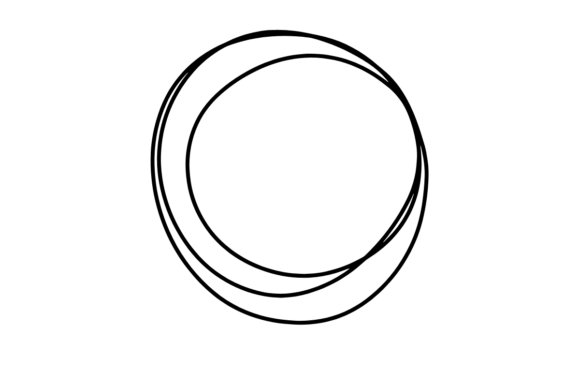
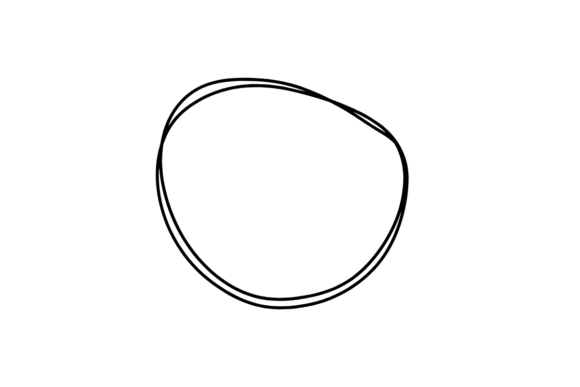
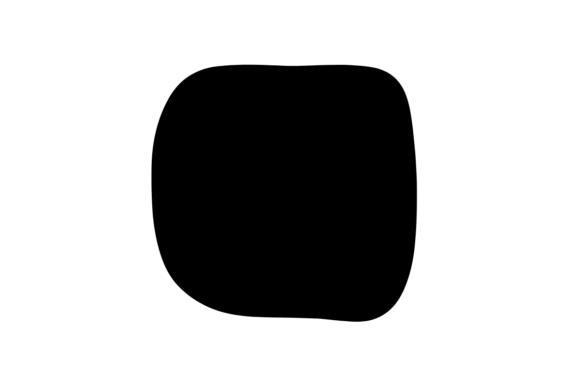
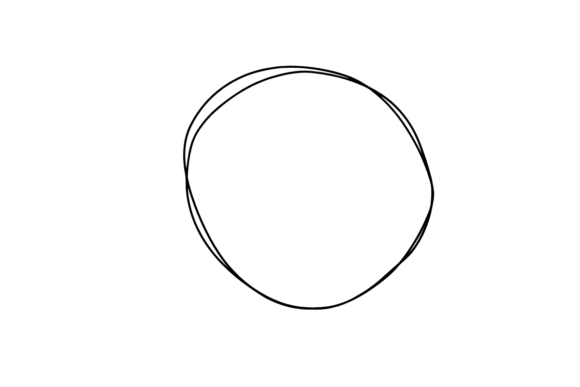
In the world of machine embroidery, there is a constant tension between complexity and clarity. As designers, we often feel pressured to fill every inch of the hoop with intricate details, but sometimes the most striking designs are the ones that breathe. This is where Abstract Shape 13 caught my attention. It presents itself as a minimalist, double-lined hand-drawn circle, offering a contemporary, organic touch that feels surprisingly versatile for both personal hobbies and commercial craft business ventures. I put this design through its paces to see if it truly delivers on its promise of being the perfect found graphic for modern makers.
First Impressions: The Mood and Visual Personality
When you first load an embroidery file, your eye scans for balance. Abstract Shape 13 immediately establishes a calm, sophisticated mood. The concept of a "hand-drawn" aesthetic in a digital format is tricky; if done poorly, it can look messy or unintentional. However, this design manages to capture the warmth of human imperfection while maintaining the precision required for machine stitching. The double-line technique adds depth without adding visual clutter. It feels less like a rigid geometric shape and more like a sketch brought to life. For creators looking to add a subtle, artistic flair to their work, this design offers a unique personality that stands out against the backdrop of overly ornate floral or text-heavy patterns.
Real-World Application: From Concept to Finished Product
The true test of any machine embroidery design is how it translates from screen to fabric. I evaluated Abstract Shape 13 across several common scenarios to understand its practical value.
- Tote Bag Design: This was perhaps the strongest use case. A minimalist circle on a canvas tote bag exudes a chic, boutique vibe. The negative space allows the texture of the canvas to become part of the design. It works exceptionally well as a standalone logo for small businesses or as a simple, elegant gift item.
- Sweatshirt Embroidery: On heavier fabrics like fleece or cotton blends, the double lines hold up beautifully. It provides a focal point on the chest or back pocket without overwhelming the garment. It appeals to buyers who want something trendy but not loud.
- Baby Embroidery: Soft, rounded shapes are inherently gentle. This design is soft enough for baby clothes or nursery decor. When stitched in pastel threads, it becomes a tender, personalized gift that feels safe and calming.
- Embroidered Patch: The circular nature of the design makes it ideal for creating patches. Whether used on denim jackets or backpacks, the clean lines ensure that even when cut out and finished with a border, the core image remains distinct and recognizable.
For Etsy sellers and small shop product creators, this design’s versatility is its greatest asset. It fits seamlessly into collections ranging from holiday embroidery to everyday wearables. It also serves as a strong base for printable mockups, allowing digital product sellers to showcase their items with a professional, cohesive look.
Where to Exercise Caution
No design is universal, and Abstract Shape 13 has specific constraints that designers must respect to avoid disappointing customers. Understanding these limitations is key to maintaining brand consistency and customer trust.
- Small Hoop Sizes: Because the design relies on two distinct lines, reducing it too much can cause them to merge visually. If you are working in very small hoops, the detail may be lost, resulting in a blurry blob rather than a crisp shape.
- Textured and Stretchy Fabrics: While it looks great on stable canvas or cotton, stretchy knits can distort the symmetry of the circle. Without proper stabilization, the "hand-drawn" curves might warp, ruining the intended organic feel.
- Dense Stitch Areas: If the design uses heavy fill stitches, it may not perform well on thin fabrics or delicate items like tea towels, where bulkiness could affect drape and usability.
- Curved Surfaces: Applying this to caps or curved hat fronts requires careful digitizing adjustments. The flat plane of the design needs to conform to the curve without losing its integrity.
Technical Considerations for the Discerning Designer
To get the best results from Abstract Shape 13, technical precision is non-negotiable. Here are some practical notes based on real stitching experience:
Stitch Density and Type: Pay close attention to the stitch density. If the lines are too dense, they will create stiff ridges that catch on things. Conversely, if they are too sparse, the fabric may show through. The interplay between satin stitch edges and running stitch interiors (if applicable) should be reviewed to ensure smooth needle penetration. Always inspect small details before committing to a large production run.
Thread Colors and Contrast: The beauty of this design lies in its simplicity, so thread choice is paramount. High contrast works best for visibility, such as white thread on dark denim or black thread on light linen. However, tonal stitching (e.g., navy on navy) can create a sophisticated, low-profile look that appeals to high-end custom apparel clients. Test your thread colors on scrap fabric to ensure the double lines remain distinct.
Stabilizer Selection: Using the right stabilizer is crucial, especially for the tote bag design or sweatshirt embroidery applications. A cut-away stabilizer is often recommended for woven bags to prevent distortion over time, while tear-away might suffice for single-use gifts. Never skip this step; improper stabilization is the leading cause of puckering and misalignment.
Mockup Testing: Before embroidering the final piece, convert your design to black and white in your software. This helps you evaluate the visual weight and balance without the distraction of color. It ensures that the layout works purely on form and structure.
Final Verdict: Value and Professionalism
Abstract Shape 13 succeeds because it respects the viewer’s intelligence. It doesn’t shout; it whispers. For creative entrepreneurs and makers aiming to build a brand around quality and aesthetics, this design is a valuable addition to your library. It elevates the perceived value of a finished product by adding a layer of intentional design thinking.
It fosters buyer engagement by offering a modern, Instagram-worthy aesthetic that performs well in social media feeds. It signals professionalism because it avoids clichés and embraces minimalism. Whether you are creating a personalized gift for a friend or stocking shelves with commercial embroidery goods, this design holds its own.
However, remember that success depends on execution. Always check licensing terms if you plan to sell finished items or distribute the digital embroidery file. Confirm the appropriate hoop size for your target market, and never assume a design will work on every fabric type without testing. By treating Abstract Shape 13 with the care it deserves—respecting its limits and highlighting its strengths—you can create stunning, marketable products that resonate with today’s discerning crafters and consumers.